
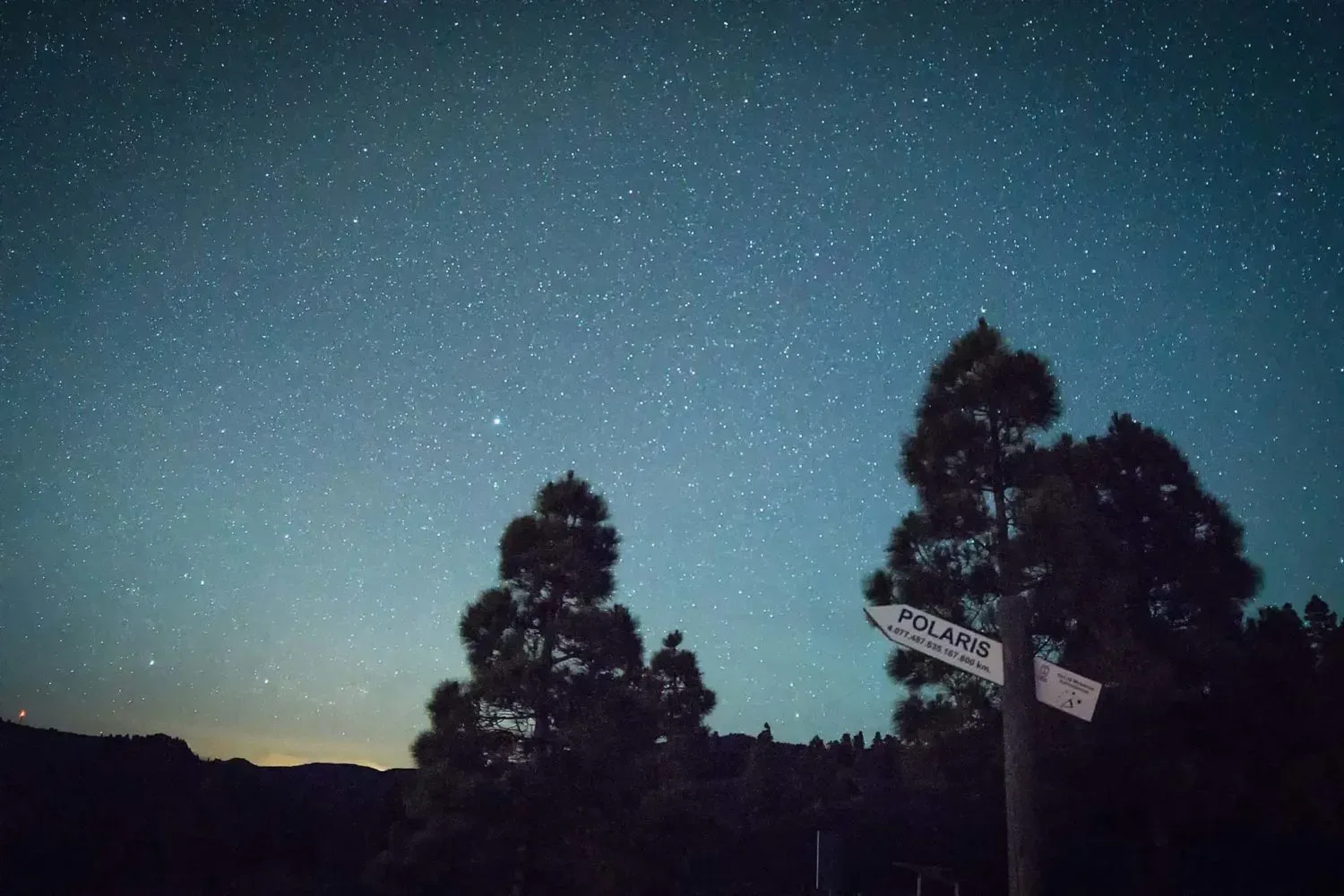
Astronomical
Viewpoints
16 observation points spread across the island, equipped with interpretive panels, under one of the darkest skies in Europe.
16
Viewpoints in the network
2010
Year established
2,396 m
Highest viewpoint
Astronomical viewpoints map
Map: © OpenStreetMap contributors © CARTO
All astronomical viewpoints
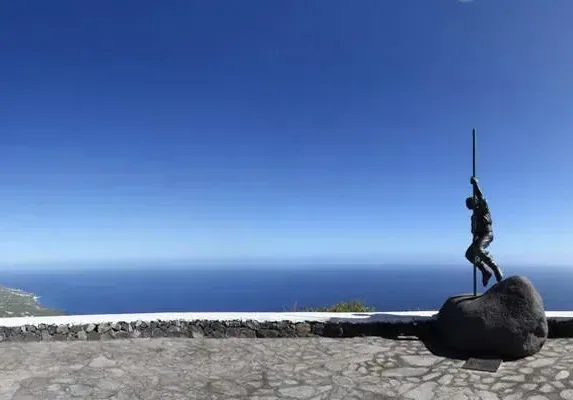
San Bartolo
Puntallana - 620 m
Viewpoint on the northeast coast. Clear horizon over the sea and eastern constellations.
Get directionsMontaña de El Molino
Barlovento - 680 m
At the northern tip of La Palma, with minimal light pollution in all directions.
Get directionsMontaña Buracas
Garafía - 1,200 m
One of the highest viewpoints in the north. Clear horizon and dark skies in the most remote part of the island.
Get directionsMiraflores
Puntagorda - 980 m
Spectacular views west over the Atlantic Ocean. Ideal for watching the westward movement of the night sky.
Get directionsPlaya Nueva
Tazacorte - 10 m
Coastal viewpoint on the western shore. Currently inaccessible due to lava flows from the 2021 volcanic eruption that reshaped this part of the island.
Get directionsPico de la Cruz
San Andrés y Sauces - 2,348 m
Near the Roque de los Muchachos Observatory, one of the highest publicly accessible points on the island.
Get directions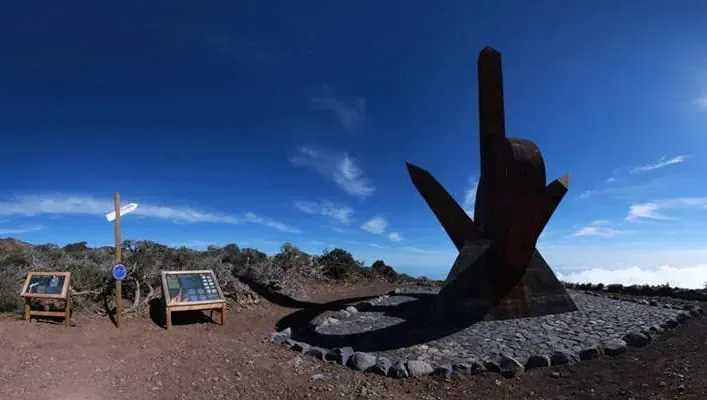
Al Infinito
San Andrés y Sauces - 2,396 m
The highest viewpoint in the network, next to the ORM. Exceptional sky above the cloud layer.
Get directionsBarranco del Carmen
Santa Cruz de La Palma - 310 m
Close to the island capital. A great starting point for first-time stargazers.
Get directionsParque de Los Álamos
Breña Alta - 520 m
Set in a pine forest on the eastern slope. Peaceful and dark, especially in summer.
Get directions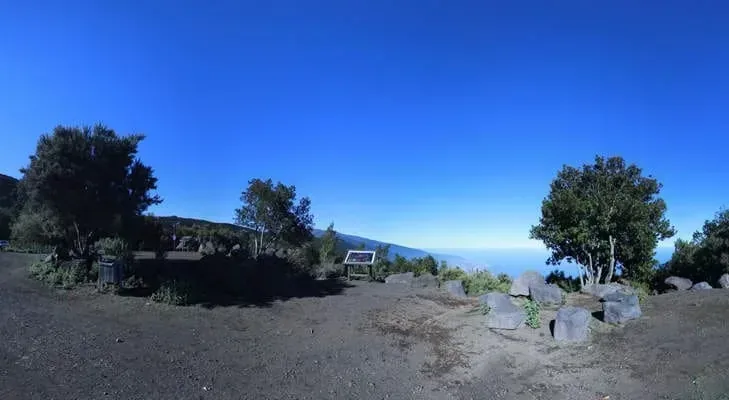
Llano de La Venta
Breña Baja - 1,320 m
One of the first viewpoints in the network, inaugurated in 2010. A landmark for popular astronomy in La Palma.
Get directions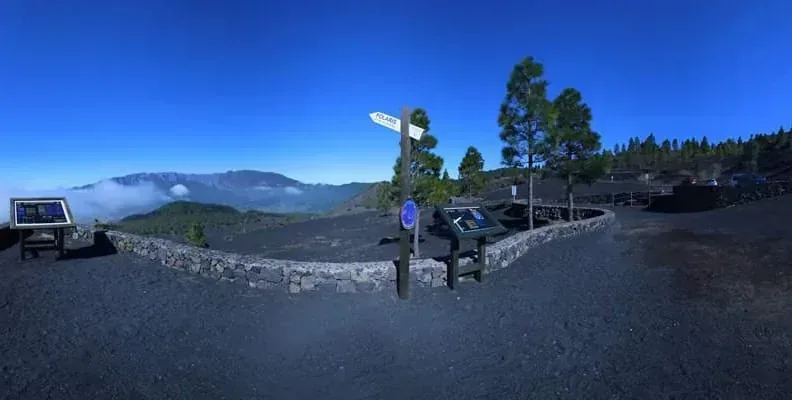
Llano del Jable
El Paso - 1,340 m
The flagship viewpoint of the network. At 1,340 m, exceptional dark sky and the best interpretive panels. Ad Astra La Palma's base.
Get directions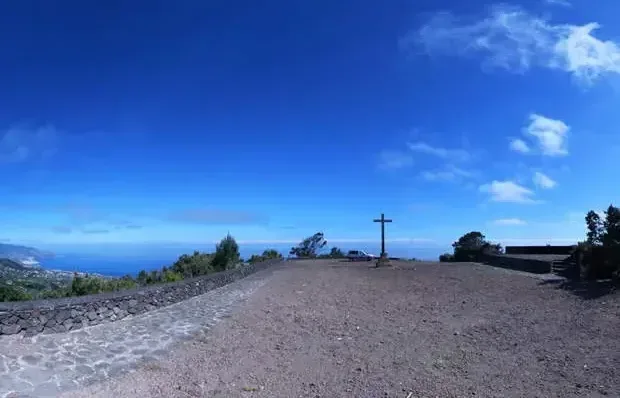
Montaña Las Toscas
Mazo - 640 m
Views over the south of the island from a volcanic summit. On clear nights, Teide is visible across the sea.
Get directions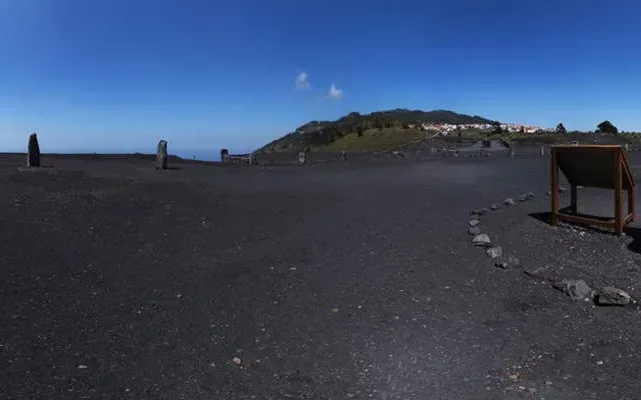
Volcán San Antonio
Fuencaliente - 657 m
Spectacular setting in the Volcanes Natural Park. South Atlantic horizon and the island's southernmost skies.
Get directionsMendo
El Paso - 1,380 m
Mid-high altitude viewpoint in the island interior, away from urban areas. Low light pollution in a Canarian pine forest. Currently being reopened.
Get directionsMuseo Roque de los Muchachos
Garafía - 2,200 m
Meeting point at the summit of La Palma, next to the Roque de los Muchachos Observatory. Unrivalled views of Europe's darkest skies.
Get directionsSan Borondón
Tazacorte - 480 m
Views over the Atlantic from the west coast. Excellent for watching the first stars appear at sunset.
Get directionsLearn while you observe
Each viewpoint in the network is equipped with information panels to guide you through the night sky. No equipment needed — you can learn to identify constellations, locate the North Star and understand the basics of sky protection.
An initiative by La Palma Council
The astronomical viewpoint network was promoted by La Palma Council in 2010, as part of its sustainable astrotourism strategy. The first viewpoints inaugurated were Llano de Las Ventas and Llano del Jable.
The initiative complements La Palma's status as a Starlight Reserve and makes the island's exceptional sky accessible at 16 strategic points.
Look at the stars with an expert
Live an unforgettable experience with one of our Starlight guides from one of the most emblematic astronomical viewpoints in the network.